
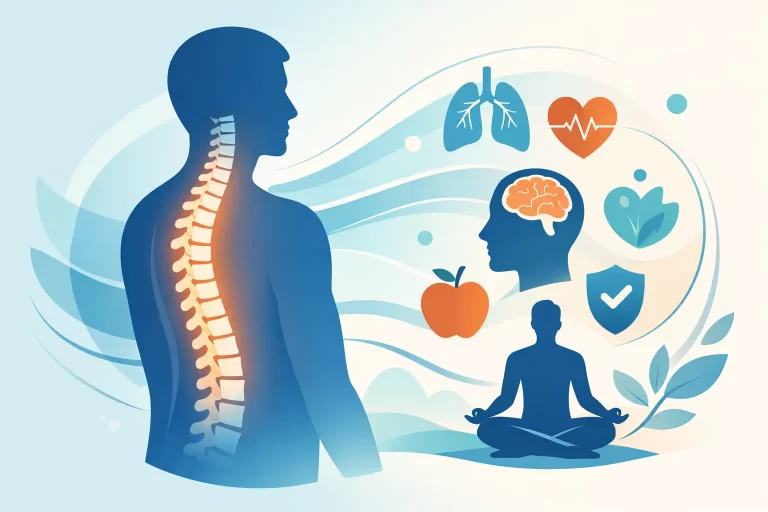
A lot of people first think about their spine when something hurts – a stiff neck after work, low back pain during pregnancy, headaches that keep coming back, or a child who seems uncomfortable in certain positions. But how spinal alignment affects health goes far beyond pain. The spine helps protect the nervous system, supports movement, and influences how the body adapts to daily stress. When alignment and function are off, the effects can show up in ways that do not always seem obviously connected.
That is why chiropractic care is often part of a bigger wellness conversation. It is not just about getting through a sore week. It is about helping the body move, regulate, and recover more efficiently over time.
What spinal alignment really means
Spinal alignment does not mean a perfectly straight, rigid spine. A healthy spine has natural curves, flexibility, and the ability to adapt. Alignment is really about how the bones of the spine, the surrounding muscles, and the nervous system work together.
When the spine is moving well and supporting balanced posture, the body usually handles daily demands more comfortably. When certain areas become restricted, irritated, or overloaded, other parts of the body often start compensating. That can create tension patterns, reduced mobility, and extra wear on joints and muscles.
This is one reason two people can have similar posture on a photo and feel very different. Spinal health is not only about appearance. It is also about function.
How spinal alignment affects health through the nervous system
The spine surrounds and protects the spinal cord, which is a major communication pathway between the brain and body. That is why how spinal alignment affects health is closely tied to nervous system function. Your body relies on clear communication to coordinate movement, balance, digestion, sleep patterns, stress responses, and countless automatic processes.
When spinal joints are not moving properly, the body may experience increased tension and irritation in surrounding tissues. That does not mean every health issue starts in the spine, and it does not mean chiropractic care is a cure-all. But it does mean spinal stress can influence how well the body adapts.
Many patients notice this in practical ways. They may breathe more shallowly when the mid-back is tight. They may sleep poorly when neck tension keeps the body on alert. They may feel more fatigued when chronic discomfort is constantly draining energy. In families, parents often recognize these patterns before they put them into words – a child who seems fussy and stiff, a pregnant mom whose posture changes week by week, or an adult who feels wound up all the time.
Posture, movement, and everyday strain
Modern life asks a lot from the spine. Long hours sitting, feeding a baby on one side, carrying toddlers, commuting, training hard at the gym, or working at a laptop can all shape posture over time. None of these habits automatically cause damage, but repeated strain without enough recovery can create patterns the body starts treating as normal.
That is where alignment matters in a very practical sense. If one area of the spine is not moving well, another area often has to work harder. A forward head posture may increase neck and shoulder tension. A restricted low back may shift extra strain into the hips. During pregnancy, as the centre of gravity changes, the pelvis and lower spine can feel especially stressed.
Good spinal function helps distribute force more evenly. It can support smoother movement, better balance, and less compensation. That matters whether you are lifting your child, walking through the river valley, or simply trying to get through the workday with more energy.
The connection to pain is real – but not the whole story
Pain is often what brings people in, and it is a valid reason to seek care. Back pain, neck pain, tension headaches, and hip discomfort can all relate to spinal stress and movement restrictions. But pain is not always a perfect measure of what is happening.
Some people have obvious tension and poor mechanics with very little pain. Others feel significant discomfort even when imaging looks fairly ordinary. That is because pain is influenced by many factors, including inflammation, stress, sleep, movement habits, past injuries, and nervous system sensitivity.
A spine that is functioning better may help reduce mechanical strain, but lasting improvement usually involves more than one piece. Ergonomics, exercise, breathing, rest, and nervous system regulation all matter too. This is where a whole-person approach becomes so valuable.
Pregnancy, children, and family wellness
For families, spinal health often shows up in different ways at different stages of life. During pregnancy, the body changes quickly. The growing abdomen, shifting pelvis, and loosened ligaments can place new demands on posture and movement. Gentle chiropractic care may help support comfort, mobility, and better adaptation during those changes.
For infants and children, the conversation is different. Their spines and nervous systems are still developing. Birth stress, feeding positions, early movement patterns, falls while learning to walk, and hours spent in devices or at desks can all influence how they move and regulate. That does not mean every child needs care, and it certainly does not mean parents should panic over every asymmetry. It means paying attention to function matters.
Often, families are simply looking for support. They want their child to move well, rest well, and grow with fewer built-in tension patterns. They want care that is gentle, thoughtful, and individualized. At One Village Family Chiropractic, that family-centred view is part of the larger commitment to helping people build resilience from the inside out.
Signs your spine may be under stress
Not every sign of spinal stress is dramatic. Sometimes it looks like recurring tightness between the shoulders, frequent headaches, reduced neck rotation, one hip always feeling tighter, or needing constant stretching just to feel normal. In other cases, people notice poor posture, restless sleep, jaw tension, or feeling stiff first thing in the morning.
Stress can also show up as reduced body awareness. You may not realize how much tension you are carrying until it starts affecting your breathing, focus, or ability to relax. This is especially common in adults managing work stress and parenting at the same time.
The key is not to self-diagnose every symptom as a spinal problem. It is to recognize that the body works as an integrated system. When one area is not functioning well, the effects can travel.
What helps support better spinal alignment
Healthy spinal alignment is usually built through consistent habits, not one perfect adjustment or one ideal posture. Chiropractic care can be one part of that support, especially when it is based on a thorough assessment and an individualized plan. Gentle adjustments may help improve joint motion, reduce tension, and support more efficient movement patterns.
But care works best when paired with daily choices. Strengthening the core and postural muscles, changing positions often, setting up a more supportive workspace, walking regularly, and using better feeding or lifting mechanics can all make a difference. For some people, stress management is just as important as exercise, because a constantly activated nervous system often shows up physically in the spine.
There is also an important trade-off to understand. Rest can calm irritation in the short term, but too much rest can lead to more stiffness and deconditioning. On the other hand, pushing through discomfort without addressing mechanics can keep the cycle going. The right balance depends on the person, their age, their goals, and what their body is asking for.
A long-term view of spinal health
One of the most helpful shifts people can make is moving from a crisis mindset to a wellness mindset. Instead of only paying attention to the spine when pain becomes impossible to ignore, it helps to notice earlier signals – tension, fatigue, reduced mobility, postural strain, or stress that keeps settling into the body.
That does not mean striving for perfection. Bodies are adaptable, and life is not always ergonomically friendly. It means supporting the spine as part of overall health, the same way you would support sleep, nutrition, or mental well-being.
When spinal alignment and function improve, people often report more than pain relief. They feel more at ease in their body. They move with less hesitation. They recover more easily from daily demands. For parents, that can mean more energy to be present. For expecting mothers, it can mean greater comfort through change. For children, it can mean support during important developmental stages.
Your spine is not separate from the rest of your health story. It is one of the central ways your body organizes movement, protection, and adaptation. Paying attention to it is not about chasing perfect posture. It is about creating more space for comfort, resilience, and the kind of health that supports your family for the long run.