
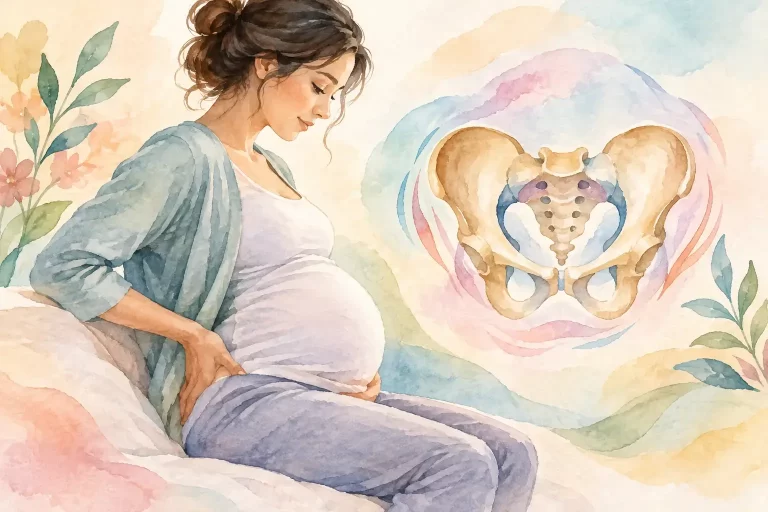
A familiar walk suddenly feels awkward. One hip tires sooner than the other, rolling over in bed takes planning, and getting out of the car brings a sharp reminder from the pelvis. Pregnancy pelvic imbalance signs can be unsettling, especially when you are already carrying the physical and emotional changes of a growing pregnancy. While some discomfort is common, persistent or one-sided symptoms deserve thoughtful attention.
“Pelvic imbalance” is a useful everyday description, not a diagnosis on its own. It may refer to differences in how the joints, muscles, and connective tissues around the pelvis are moving, loading, and responding to pregnancy. A gentle assessment can help separate expected pregnancy-related changes from concerns that need prompt medical care.
What pregnancy pelvic imbalance can feel like
Your pelvis is not one solid, fixed structure. It is a ring of joints, muscles, ligaments, and connective tissue connecting the spine, hips, and legs. During pregnancy, changing body weight, posture, activity demands, and natural hormonal shifts can influence how this area feels and functions.
Pregnancy pelvic imbalance signs often show up gradually, but they can also appear after a long day on your feet, a change in exercise, a previous injury becoming more noticeable, or an awkward movement. Symptoms do not have to be severe to affect your confidence with movement.
Common signs include:
- Pain on one side of the low back, buttock, hip, groin, or pubic area
- A feeling that one leg is doing more work, or that your hips are uneven when standing or walking
- Pain with single-leg activities, such as climbing stairs, putting on pants, or stepping into a vehicle
- Discomfort when turning in bed, getting up from a chair, or taking longer strides
- A waddling, limping, or altered walking pattern that was not typical for you
- Stiffness through the hips or low back after sitting, sleeping, or being active
Some people describe clicking or a sensation of instability around the pelvis. Others feel mainly muscular tightness through the glutes, hip flexors, inner thighs, or low back. The experience can vary considerably, which is why comparing your pregnancy to someone else’s is rarely helpful.
Why the pelvis may feel uneven during pregnancy
As your centre of gravity changes, your body naturally adjusts the way it stands, walks, and distributes weight. The low back may curve more, the rib cage may shift, and the hips may work differently to support you through daily movement. If one side is already tighter, weaker, more sensitive, or recovering from an old injury, those changes can become more obvious.
Daily habits matter too. Standing with weight consistently shifted onto one leg, carrying a toddler on the same hip, sitting for long stretches, climbing stairs frequently, or sleeping in one position can all contribute to uneven loading. This does not mean you have caused a problem or done pregnancy “wrong.” It simply gives a practitioner useful context when looking at the whole picture.
Pelvic discomfort may also be related to pregnancy-related pelvic girdle pain, irritation around the sacroiliac joints, hip joint concerns, low-back pain, or muscle strain. These issues can overlap. A careful assessment should not assume that every ache comes from a single “misalignment.”
The difference between normal soreness and a pattern worth assessing
A brief ache after an unusually active day may settle with rest, changed positions, and gentle movement. A more persistent pattern is worth discussing when pain repeatedly limits walking, sleep, work, exercise, or caring for your family. The same is true if you are avoiding normal movements because you expect them to hurt.
Pay attention to patterns rather than trying to self-diagnose from one symptom. When does discomfort begin? Is it worse with stairs, rolling in bed, sitting, or standing? Is it consistently on one side? Does it ease with shorter steps, a pillow between the knees, breaks from sitting, or changing your footwear? These details help guide individualized care.
When to contact your maternity care provider promptly
Musculoskeletal discomfort is common in pregnancy, but not every pelvic symptom should be managed as a mobility issue. Contact your midwife, family physician, obstetric provider, or urgent care service promptly if you have vaginal bleeding, fluid leakage, regular or painful contractions, fever, severe abdominal pain, fainting, sudden significant swelling, chest pain, shortness of breath, or a severe headache with vision changes.
Seek prompt medical guidance as well for new numbness in the saddle area, loss of bladder or bowel control, marked leg weakness, or pain following a fall or accident. If you are unsure, it is always appropriate to call your maternity care team. Reassurance and timely assessment are both forms of good care.
Supportive steps that may make daily movement easier
The goal is not to force your body into a perfectly symmetrical posture. Pregnancy asks for adaptation, and comfort often improves when movements become more supported and less provocative.
Try keeping your steps slightly shorter if walking causes pelvic pain, and avoid repeatedly standing on one leg while dressing. Sit down to put on socks, shoes, or pants when possible. When getting out of bed, roll to your side first, bring your legs together, and use your arms to push yourself up. A pillow between the knees may make side sleeping more comfortable, although the best pillow setup is the one that lets you rest well.
Pace is equally valuable. Alternating between sitting, standing, and short walks can be kinder to the pelvis than spending a long time in any one position. If you exercise, scale back movements that create sharp pain, instability, or a lingering symptom flare. A prenatal-trained exercise professional, physiotherapist, or your maternity provider can help adapt activity to your specific needs.
Support belts can be useful for some people with pelvic girdle discomfort, particularly for walking or standing tasks. Fit and timing matter, however, and a belt is not necessary for everyone. It is best used as one tool within a broader plan rather than as a reason to push through increasing pain.
How prenatal chiropractic care can fit into your support team
Prenatal chiropractic care focuses on the musculoskeletal changes that can affect comfort and movement during pregnancy. At One Village Family Chiropractic, care begins with listening: your health history, pregnancy experience, movement concerns, daily demands, and goals all matter. A chiropractor can assess posture, joint motion, muscle tension, and how your body responds to simple movements, then determine whether chiropractic care is appropriate.
When indicated, prenatal care may include gentle, modified chiropractic techniques, soft-tissue work, movement recommendations, and practical strategies for sleep, sitting, lifting, and daily activity. Treatment should be adapted to your stage of pregnancy, comfort level, and medical history. You should always feel heard, informed, and able to ask questions about what is being recommended.
Chiropractic care is not a replacement for prenatal medical care. The most supportive approach is collaborative: your chiropractor, midwife or physician, physiotherapist, and other qualified providers can each bring valuable perspective when symptoms are persistent or complex.
What to bring up at an appointment
Be specific about where you feel discomfort and what makes it better or worse. Mention any history of hip, back, pelvic, or abdominal surgery; previous injuries; hypermobility; exercise routines; work demands; and any recommendations already provided by your maternity care team. If you have had imaging, a diagnosis, or restrictions from another provider, bring those details too.
It can also help to say what you need most right now. Perhaps you want to sleep with less interruption, walk more comfortably at work, keep up with an older child, or feel more confident moving through daily life. Meaningful care plans are built around your real life, not a generic checklist.
Your body is doing demanding work, and discomfort is not a personal failure or something you simply have to endure in silence. If pregnancy pelvic imbalance signs are changing how you move or live, a gentle, individualized assessment can help you understand your options and move forward with greater support.