
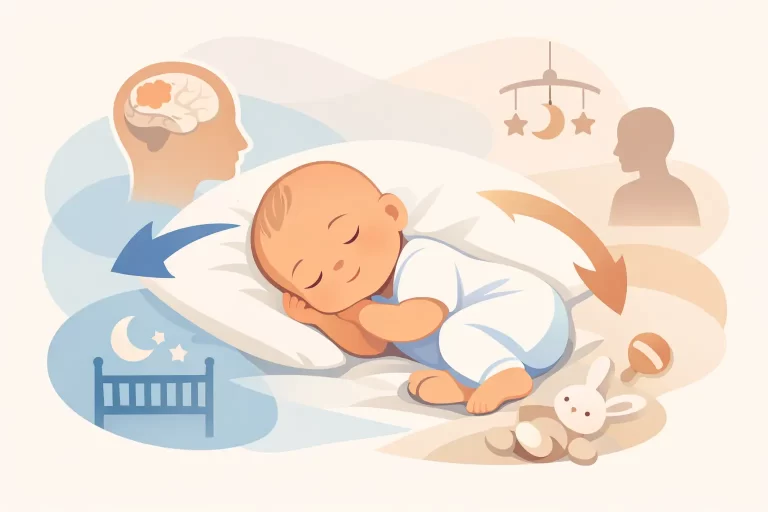
You notice it during sleep, feeds, or tummy time – your baby keeps turning their head to the same side. If you are wondering why babies have head preference, you are not overthinking it. This is a common pattern in infancy, and in many cases it is simply part of how a baby is adjusting to life outside the womb. At the same time, a strong or persistent preference can be a sign that your baby may need a little extra support.
A head preference means your baby tends to look, rest, or rotate more easily to one side than the other. Some babies also tilt their head slightly, seem fussier when turned one way, or flatten on one side of the head because they spend more time there. The key is not to panic, but not to ignore it either. Early awareness gives families more options, often with very gentle care.
Why babies have head preference in the first place
Babies are born with developing muscles, rapidly changing posture, and nervous systems that are still learning how to coordinate movement. A head preference can happen for several reasons, and sometimes more than one factor is involved.
One common reason is positioning in the womb. Pregnancy places real physical demands on a growing baby, especially later on when space becomes limited. If a baby spent weeks in one position, they may come out favouring that same direction because it feels familiar or easier. This is especially common with first babies, larger babies, twins, or births where space was tighter.
Birth itself can also play a role. Labour and delivery place pressure on a baby’s head, neck, and body. Whether birth was very fast, very long, assisted, or involved a less-than-ideal position, some babies arrive with tension through the neck and shoulders. That does not automatically mean something is wrong, but it can influence how comfortably they turn and rest.
Another possibility is muscular tightness. Some babies develop tightness in the neck muscle on one side, often referred to as torticollis. In simple terms, this can make turning one way easier than the other or cause a slight head tilt. Torticollis exists on a spectrum. Sometimes it is quite obvious, and sometimes it is subtle enough that parents only notice a feeding preference or a baby who always looks toward the same wall.
There is also a developmental side to consider. Newborns are not symmetrical movers right away. Their reflexes are strong, their control is limited, and they often settle into patterns before they build more balanced strength. A mild preference in the early weeks may improve as they gain head control, spend more time on their tummy, and begin looking around more.
What is normal and what deserves a closer look
Some degree of side preference can be normal in the newborn phase. Babies are adjusting to gravity, light, sound, feeding, and sleep routines. If the preference is mild, improving over time, and your baby can still turn both ways, it may simply need monitoring and a few small changes at home.
A closer look is wise if the preference is very strong, if your baby seems uncomfortable turning to one side, or if you notice flattening of the head. Other signs include difficulty latching on one breast but not the other, frustration during tummy time, a head tilt that stays present, or a body that seems curved like a little C most of the time.
This is where nuance matters. Not every baby with head preference has a serious issue, and not every baby will need the same kind of support. But waiting too long can make the pattern harder to change because babies grow quickly, and repeated positioning can reinforce muscle imbalance and skull flattening.
How head preference affects more than the neck
Parents often first notice the head, but the pattern can influence more than one area. When a baby consistently looks one way, they may spend less time strengthening the opposite side of the neck. That can affect tummy time tolerance, rolling, and overall symmetry as they grow.
It can also affect feeding. Some babies latch well on one side and struggle on the other because the neck position feels different. Bottle-fed babies may show the same thing, preferring to be held a certain way. Sleep can be affected too if a baby startles or wakes more often when laid with their head turned the less comfortable direction.
From a whole-body perspective, the neck is not working in isolation. The spine, shoulders, jaw, and nervous system all influence how a baby moves and settles. When we look at function rather than just one symptom, it becomes easier to understand why a small preference can show up in several parts of daily life.
Gentle ways to support better balance at home
If your baby has a mild head preference, simple daily changes can be very helpful. The goal is not to force movement. It is to gently invite variety, comfort, and symmetry.
Start by changing how your baby experiences the room. Babies naturally look toward light, voices, and activity. If the crib, change table, or play space always encourages looking in one direction, switch things around. Place yourself, toys, or visual interest on the less preferred side so your baby is encouraged to turn naturally.
Tummy time matters here, but it does not need to be a battle. Short, frequent sessions often work better than long ones. Try tummy time on your chest, across your lap, or on a firm surface with your face close by. The goal is to build neck and upper body strength while helping your baby explore both sides.
Feeding and carrying positions can help too. Alternate sides when bottle feeding. If breastfeeding, pay attention to whether one side is more challenging and bring that up with your care provider if needed. Babywearing, upright cuddles, and varying how you hold your baby can reduce pressure on one part of the head and support more balanced movement.
Container time is another piece. Swings, car seats, and loungers are sometimes necessary, but too much time in one position can reinforce the pattern. Whenever possible, give your baby supervised floor time, cuddles, and opportunities to move freely.
When professional support can help
If your baby’s head preference is persistent, strong, or linked with flattening, feeding challenges, or visible tightness, it is worth having them assessed. Early support is often gentle, simple, and effective.
A proper assessment looks at more than whether your baby can turn their head. It should consider head shape, neck range of motion, muscle tension, posture, feeding patterns, birth history, and how your baby moves through their whole body. Sometimes families are told to just wait and see, but if your instincts say something feels off, it is reasonable to ask more questions.
Pediatric chiropractic care, when provided by a trained practitioner, is gentle and specific. Care is adapted to an infant’s body and focused on relieving tension, improving comfort, and supporting healthy movement patterns. In a family-centred practice like One Village Family Chiropractic, care is paired with education so parents understand what they are seeing and how to continue supporting progress at home.
Depending on the baby, support may also include collaboration with other providers such as a lactation consultant, physiotherapist, or physician. The best care is not about pushing one approach. It is about finding what your baby needs and responding early.
Why early attention matters
Head preference is easier to change when babies are young because their movement patterns are still forming. Their bodies are adaptable, their skulls are soft, and small shifts in daily routine can make a meaningful difference.
That does not mean parents should feel guilty if they notice it later. It simply means earlier awareness creates more room for gentle correction. A baby who is more comfortable turning both ways can usually feed, play, rest, and develop with greater ease.
For many families, the biggest relief comes from understanding that this is common and workable. You do not need to fix everything overnight. You just need to notice the pattern, support balanced movement, and seek help if the preference is not improving or seems to be affecting your baby’s comfort.
If your baby always seems to look one way, trust that it is worth paying attention to. Sometimes the smallest patterns tell us where the body is asking for support, and with gentle care, babies often respond beautifully.