
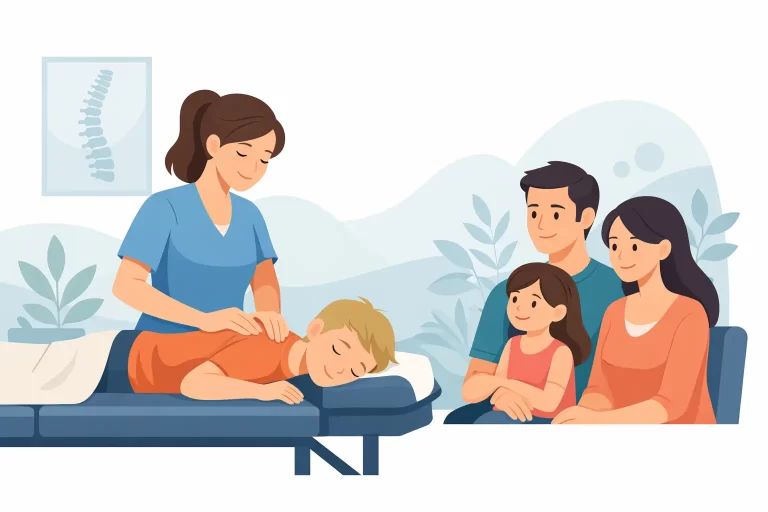
A lot can change in a family’s body in a single season. A growing baby starts rolling and crawling. A child suddenly shoots up two inches and complains of sore legs. A parent spends long days feeding, lifting, driving, working, and trying to sleep well enough to do it all again tomorrow. This is where gentle chiropractic care for families can make a meaningful difference – not as a quick fix, but as steady support for how the body moves, adapts, and heals.
For many families, chiropractic care is not just about back pain. It is about helping the spine and nervous system function well so the body can handle stress more effectively. When care is gentle, individualized, and grounded in education, it can support everyone from newborns to grandparents in a way that feels safe, calm, and practical.
What gentle chiropractic care for families really means
Gentle care does not mean less effective care. It means the approach matches the person in front of you. A newborn does not need the same touch as a teenager with sports strain, and a pregnant mother needs different support than a parent working long hours at a desk.
In family chiropractic, the goal is to assess how the spine, pelvis, posture, and nervous system are functioning, then use an appropriate adjustment or technique to restore better movement and alignment. That may involve very light pressure, specific positioning, soft tissue support, or low-force methods. The right approach depends on age, stage of life, health history, and what the body is telling us during assessment.
This matters because the nervous system helps coordinate nearly everything the body does – movement, balance, tension patterns, recovery, and regulation. When the spine is not moving well or the body is compensating under stress, people often notice more than discomfort. They may feel stiff, fatigued, tense, unsettled, or less resilient than usual.
Why families often choose care before problems feel severe
Many people first book an appointment because something hurts. That is understandable. Pain gets attention. But families who stay with care long term often do so because they begin to see a bigger picture.
A baby who seems unsettled may also have clear body tension. A child with posture changes may be spending hours sitting, carrying heavy bags, or adapting after growth spurts. A pregnant patient may be managing pelvic pressure, rib discomfort, or low back strain as the body changes week by week. An adult may be getting headaches, waking stiff, or noticing that stress shows up physically faster than it used to.
None of these situations means there is one simple cause. It depends on the person, their habits, their structure, their stress load, and their stage of life. What gentle chiropractic care offers is a way to look at function early, before strain patterns become more deeply ingrained.
Pregnancy, postpartum, and the value of a gentle approach
Pregnancy asks a lot of the body. As the baby grows, posture changes, ligaments soften, the centre of gravity shifts, and the pelvis has to adapt continuously. Even a healthy pregnancy can come with low back discomfort, hip tension, rib pressure, and trouble finding comfortable sleep positions.
Gentle chiropractic care during pregnancy focuses on comfort, balance, and function. When the pelvis and spine are moving well, many patients feel more supported in everyday activities like walking, resting, working, and caring for older children. Techniques are adapted carefully for each trimester and each body.
Postpartum care matters too, even though it is often overlooked. Feeding positions, carrying a baby, interrupted sleep, and the physical demands of recovery can create a lot of neck, shoulder, mid-back, wrist, and pelvic stress. New mothers are often told to push through it, but support during this stage can be deeply helpful.
Chiropractic care for babies and children
Parents are often surprised to learn that babies can experience tension in their bodies early on. Time in utero, birth positioning, assisted delivery, feeding preferences, and early developmental patterns can all influence how a baby holds themselves and moves.
Pediatric chiropractic care is extremely gentle. In many cases, the pressure used is similar to checking the ripeness of a tomato. The purpose is not force. It is to assess areas of tension or reduced motion and support healthier function in a developing body.
For children, care often focuses on growth, posture, movement patterns, coordination, and resilience. Kids fall. They climb. They sit in odd positions. They carry backpacks and spend more time on screens than their bodies were designed for. Some children do very well with occasional supportive care. Others benefit from more consistent visits for a period of time. It depends on their needs, their nervous system, and what is found during examination.
Adults need family care too
Family care is not only about children. Parents and caregivers often carry the heaviest physical load in the home while putting their own health last. The result is common but not ideal – recurring back tension, desk posture strain, headaches, reduced mobility, and a body that feels like it is always compensating.
Gentle chiropractic care can help adults improve spinal motion, reduce mechanical stress, and become more aware of the habits that are shaping their health each day. That may include how they sit, lift, sleep, breathe, or recover from exercise and stress.
Good care also respects that healing is rarely linear. Some people respond quickly. Others need time, especially if their tension pattern has been building for years. The goal is not perfection. It is progress toward a body that functions with more ease and adaptability.
What to expect from a family-centred experience
A family-focused practice should never feel rushed or one-size-fits-all. The first step is listening. Your chiropractor should want to understand your concerns, your history, your daily demands, and your goals for care.
From there, a thoughtful assessment can help identify posture patterns, spinal restrictions, tension areas, and movement imbalances. Some clinics also use modern assessment technology to gather objective information and track progress over time. This can be especially reassuring for parents who want to understand not just what care is being recommended, but why.
Care plans should be individualized. That does not always mean frequent long-term visits. Sometimes short-term support is the right fit. In other cases, especially when families want to work on structural change, prevention, and nervous system regulation, ongoing care makes sense. The right recommendation depends on findings, goals, and lifestyle.
Gentle chiropractic care for families works best with education
Adjustments are one part of the picture. Lasting change usually comes when care is paired with simple education families can actually use.
That may include posture guidance for working parents, feeding and carrying suggestions for new mothers, movement ideas for growing children, sleep support, or home exercises that reinforce better patterns. When people understand their body, they tend to feel more confident and more engaged in their own healing process.
This is also where a holistic clinic model can make a difference. Physical tension does not exist in a vacuum. Stress, sleep, emotional load, and daily habits all shape how the body functions. A clinic that recognizes the connection between structural health, nervous system regulation, and overall wellbeing offers a more complete kind of support.
At One Village Family Chiropractic, that family-centred philosophy is part of what helps care feel both clinical and deeply personal.
Is gentle family chiropractic care right for everyone?
Not always, and honest care should say that clearly. Chiropractic is not a replacement for emergency medicine, specialist care, or other necessary health services. Some symptoms need imaging, medical evaluation, or co-management with another provider.
But for many families, gentle chiropractic care can be a valuable part of a broader wellness plan. It is especially helpful for people who want proactive support, who value natural approaches, and who are looking for care that pays attention to the whole person rather than chasing symptoms one by one.
The best next step is not to assume. It is to ask questions, have your body assessed, and work with a practitioner who explains their findings clearly and tailors care to your stage of life.
When care is gentle, thoughtful, and rooted in the belief that your body is capable of healing from the inside out, it becomes more than an appointment on the calendar. It becomes a way to help your family move through life with more comfort, more resilience, and more trust in what their bodies can do.