
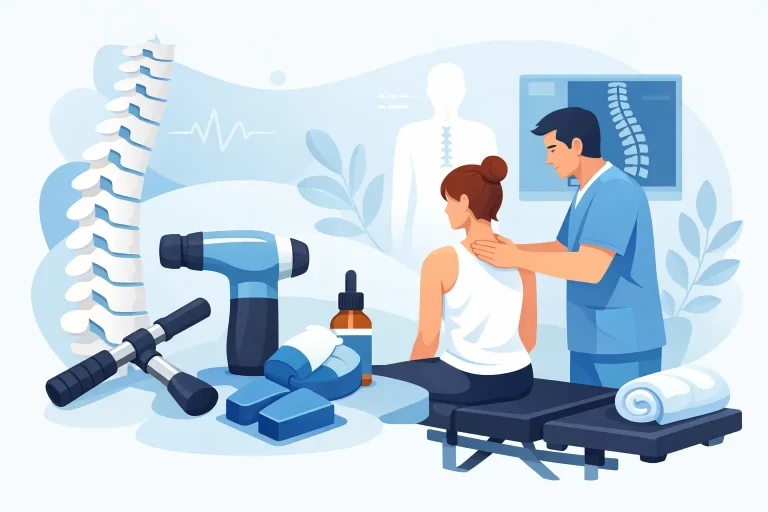
A supportive pillow can ease neck tension. A posture tool can remind you to sit taller. A simple mobility roller can help your body move more freely between visits. But corrective chiropractic tools are most helpful when they are used for the right reason, at the right time, and in a way that fits your body.
That distinction matters. Many people buy wellness products hoping for a quick fix, only to find that the tool sits in a closet a few weeks later. Usually, the problem is not the tool itself. It is that the tool was never matched to their posture, spinal patterns, daily stress, stage of life, or health goals.
What corrective chiropractic tools are really for
Corrective chiropractic tools are not meant to replace hands-on care, movement, or thoughtful assessment. Their role is to support the changes your body is already working toward. In practice, that often means improving posture awareness, helping muscles relax, encouraging better spinal positioning, or making home care more consistent.
The best tools create small, repeatable inputs. That could be a cervical support that reduces strain during sleep, a lumbar support that helps at a desk, or a traction-style tool used under professional guidance to encourage better alignment. These are not dramatic interventions. They are gentle supports that can reinforce a larger care plan.
For many families, this is where home care becomes more realistic. Instead of feeling like health depends on one appointment every so often, supportive tools can make daily habits part of healing from the inside out.
Why one tool helps one person and not another
Two people can both have back pain and still need very different strategies. One may be dealing with prolonged desk posture and weak core support. Another may have pregnancy-related pelvic stress. A growing child may show posture changes that need monitoring, while a parent may need better sleep support and simple mobility work.
This is why corrective chiropractic tools should never be chosen by trend alone. A posture brace that feels helpful for one person may make another person more dependent on passive support. A firm support pillow may improve sleep for one neck pattern and aggravate another. Even stretching tools can be helpful or irritating depending on how the joints and muscles are already functioning.
There is also a timing factor. Early in care, the body may need more calming, gentleness, and basic support. Later, once mobility and alignment begin to improve, the focus may shift toward strengthening, endurance, and posture retraining. Good care adapts as your body changes.
Common types of corrective chiropractic tools
Some tools are designed for posture and spinal support. These include cervical pillows, lumbar supports, wedge cushions, and ergonomic seating aids. They are often useful for people who spend long hours driving, working at a computer, feeding a baby, or sleeping in positions that strain the neck and low back.
Other tools are more movement-based. Foam rollers, mobility balls, stretching straps, and balance tools can help improve body awareness and reduce stiffness. These are often used alongside simple exercises to support better movement patterns instead of just temporary relief.
Then there are more specific corrective supports, such as traction-style devices, structural supports, or customized home-care equipment. These are the tools that benefit most from professional guidance because the setup, duration, and frequency all matter. Used well, they can support structural change. Used casually, they may simply be uncomfortable or ineffective.
For children and pregnant patients, gentleness is especially important. The right support should never feel forceful. It should fit the body’s stage, needs, and tolerance.
Corrective chiropractic tools and posture
Posture is not about forcing your shoulders back all day or trying to hold a perfect position. Real posture change happens when the body has enough mobility, stability, and awareness to maintain a healthier position without constant strain.
That is why corrective chiropractic tools can be helpful, but only as part of the full picture. A lumbar roll may help you sit better, but it will not undo eight hours of tension if your workstation setup is poor. A posture reminder strap may increase awareness, but it cannot build the endurance needed to keep that change. A pillow may support your neck overnight, but it also matters how you carry stress during the day.
The goal is not perfection. The goal is less compensation, better support, and more ease through your spine and nervous system.
How these tools support nervous system health
At a family wellness practice, spinal health is never just about bones and joints. Alignment, tension, breathing patterns, and daily physical habits all influence how the nervous system responds to stress.
When the body is under repeated strain, whether from poor sleep, prolonged sitting, pregnancy changes, old injuries, or busy parenting demands, the nervous system can stay in a more guarded state. Muscles tighten, movement becomes less efficient, and recovery takes more effort.
Corrective chiropractic tools can help reduce some of that ongoing physical stress. Better support during sleep may allow deeper rest. A simple mobility tool may help release built-up tension around the ribs or hips. A well-chosen structural support may reduce repeated irritation in the same area. None of these tools heal the body on their own, but they can create a more supportive environment for healing.
This is especially valuable for patients who want proactive care, not just symptom chasing. Small daily changes often shape long-term resilience.
When home tools make sense and when they do not
There are many situations where a home tool is a great addition. If you have clear posture stress from desk work, recurring tension from carrying a child, mild mobility restrictions, or sleep-related neck discomfort, a simple support may be very useful. The same is true when you have already been assessed and given a care plan that includes specific home recommendations.
There are also situations where caution matters more. If pain is sharp, symptoms are changing quickly, numbness or weakness is present, or you are unsure what is actually causing the problem, self-prescribing tools is not the best first step. The same applies if you are pregnant, postpartum, or choosing supports for an infant or child. Safety and fit should come first.
The trade-off is straightforward. Tools can improve consistency and give you something practical to do at home. But they work best when they are part of a personalized plan, not a substitute for assessment.
Choosing corrective chiropractic tools wisely
A good tool should match your body and your life. If it is too complicated, too aggressive, or too uncomfortable, you probably will not use it consistently. Simplicity matters.
Start by asking what problem you are actually trying to solve. Is it sleep posture, desk strain, neck tension, low back support, mobility, or spinal retraining? Then consider what your body can tolerate right now. A gentle, sustainable option is usually more helpful than an intense one that gets abandoned after three days.
It also helps to think about environment. A parent with little ones at home may need fast, realistic tools they can use in short windows. An office worker may need support that fits into the workday. A growing teen may need posture guidance that builds awareness without creating rigidity or self-consciousness.
At One Village Family Chiropractic, this is why education matters so much. The right recommendation should feel clear, practical, and individualized.
The best results come from a bigger plan
Corrective chiropractic tools do not need to do everything. They just need to do their job well. When combined with chiropractic adjustments, movement guidance, posture education, and consistent follow-through, they can make a meaningful difference over time.
This is where families often feel encouraged. Healing does not have to rely on one big change. It can be built through small supports, used consistently, that help the body hold onto progress between visits.
If you are considering a tool for yourself, your pregnancy journey, or your child’s growing body, choose support that is gentle, purposeful, and guided by your actual needs. The right tool should help you feel more connected to your body, not more dependent on a product.
Sometimes the most powerful step is not buying more. It is understanding what your body has been asking for, and giving it the kind of support that helps it heal with confidence.